July 24, 2026
Upgrading or maintaining a home cooling system affects more than comfort, influencing efficiency, cost control, and reliability. Many homeowners wait until problems appear, but proactive care improves performance and reduces unexpected breakdowns. Routine maintenance and timely upgrades help stabilize indoor temperatures, reduce system strain, and extend equipment life. This guide highlights what to expect during the process and how each step supports better performance, proper sizing, and long-term value.
Understanding Your Current System
Before making any changes, it is important to understand how your existing setup is functioning. Most homeowners assume their air conditioning is working properly as long as it produces cold air, but performance involves more than temperature output. Factors such as airflow consistency, humidity control, and cycle frequency all influence system effectiveness. A full review helps identify whether your current system is meeting modern efficiency expectations or simply operating at a basic level.
In many homes, aging equipment runs longer cycles than necessary, which increases wear and energy use. This is often overlooked until utility bills begin to rise or comfort levels drop. A structured evaluation gives clarity on whether maintenance or replacement is the better path forward. At this stage, even small inefficiencies can signal larger issues developing within the system.
Routine observation of your AC system also helps identify patterns in performance over time. These insights make it easier to plan upgrades strategically rather than reactively, reducing unexpected costs and downtime.
Assessing Performance and Efficiency
Evaluating how well a system performs under normal conditions is one of the most practical steps in maintaining reliability. A properly functioning air conditioning unit should maintain consistent temperatures without excessive cycling or noise. When performance begins to decline, it often shows up as uneven cooling or longer run times. These signs indicate that the system is working harder than necessary to achieve the same results.
Efficiency is closely tied to performance because a system that struggles to maintain output will naturally consume more energy. Dirty filters, restricted airflow, or aging components can all contribute to reduced efficiency. Addressing these issues early can help restore balance and prevent long-term strain on the system.
Regular servicing plays a key role in maintaining both performance and efficiency. Simple maintenance tasks, such as coil cleaning and filter replacement, often produce noticeable improvements. Over time, these small actions help preserve the overall condition of the system while keeping operating costs under control.
Identifying Common Issues
Most cooling systems develop predictable issues as they age, and catching them early can prevent larger repairs. Common problems include refrigerant leaks, weak airflow, and uneven cooling between rooms, which often signal underlying system stress. Left unaddressed, these issues can reduce overall reliability.
Unusual sounds like rattling or humming may indicate worn or loose components that need inspection before failure occurs. Ignoring these warning signs often leads to higher repair costs and longer downtime.
Keeping an air conditioning system reliable requires attention to small performance changes and timely action. While some issues can be handled with basic maintenance, others require professional diagnosis to ensure long-term system performance.
Evaluating Energy Consumption
Tracking energy usage provides valuable insight into how efficiently a system is operating. A sudden increase in utility costs often signals that the system is compensating for reduced performance. This can result from aging components, poor insulation, or outdated technology. Monitoring usage trends helps identify inefficiencies before they become long-term financial burdens.
A more efficient air conditioning system typically maintains consistent cooling without excessive energy draw. However, older units often require significantly more power to achieve the same output. According to an Environmental Impact Assessment, approximately 10.55 million U.S. homes were found to have cooling systems that were 20 years old or more, highlighting how widespread outdated equipment remains. This level of aging infrastructure contributes to unnecessary energy consumption across residential settings.
Improving energy efficiency often involves a combination of maintenance and strategic upgrades. Even small adjustments can reduce strain on the system and improve overall performance. Over time, these improvements translate into measurable cost savings and better environmental performance.
Determining System Age and Condition
The age of a cooling system is one of the strongest indicators of its efficiency and reliability. Most units are designed to last between 15 and 20 years, depending on usage and maintenance history. Once a system exceeds this range, performance typically begins to decline even with regular servicing. At this stage, replacement often becomes more cost-effective than continued repair.
Older systems also tend to lack modern efficiency standards, which impacts both performance and energy consumption. Many outdated units struggle to meet current environmental expectations and may rely on older refrigerants. This not only reduces efficiency but can also increase long-term operational costs.
Condition assessment is equally important. Visible wear, corrosion, or frequent breakdowns suggest that the system is nearing the end of its useful life. In such cases, maintaining air conditioning becomes less about optimization and more about managing decline. A full evaluation helps determine whether continued maintenance is practical or if upgrading is the better option.
Comparing Cooling Technologies
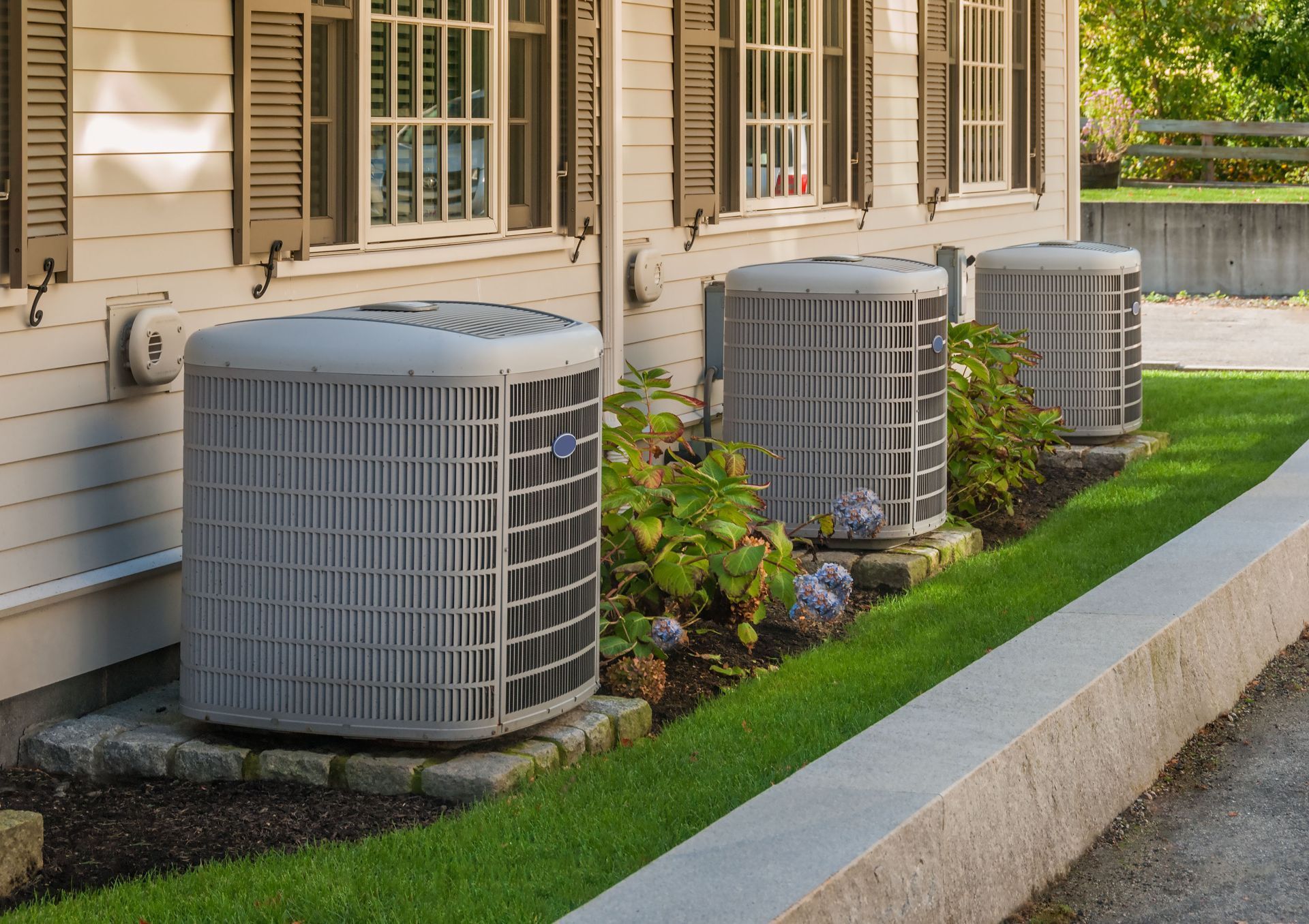
Selecting the right system involves understanding the differences between available cooling technologies. Central systems, ductless units, and hybrid solutions each offer distinct advantages depending on home size and layout. Central systems provide whole-home coverage, while ductless options offer flexibility for zoned cooling. Each approach affects efficiency, installation requirements, and long-term maintenance needs.
Modern air conditioning technology has advanced significantly, particularly in energy efficiency and control features. Smart thermostats and variable-speed systems allow for more precise temperature regulation. This improves comfort while reducing unnecessary energy use during low-demand periods.
Choosing between systems requires balancing performance expectations with installation and operating costs. Homes with varying usage patterns may benefit from more adaptable systems, while others prioritize consistent whole-home coverage. Understanding these differences ensures the selected system aligns with long-term comfort and efficiency goals.
Estimating Upgrade Costs
Upgrading a cooling system involves more than the price of new equipment. Installation, labor, permits, and potential ductwork adjustments all contribute to total cost. These factors should be evaluated together to avoid unexpected expenses during the project. Planning ahead allows for more accurate budgeting and smoother implementation.
Modern air conditioning systems often come with higher upfront costs but deliver improved efficiency over time. Energy-efficient models can reduce monthly operating expenses, helping offset initial investment. In many cases, homeowners recover part of the upgrade cost through lower utility bills and improved performance.
Incentives and rebates may also be available depending on the system selected. These programs can reduce overall installation expenses and encourage energy-conscious upgrades. Evaluating all cost components ensures a more realistic understanding of long-term value.
Planning Long-term Maintenance
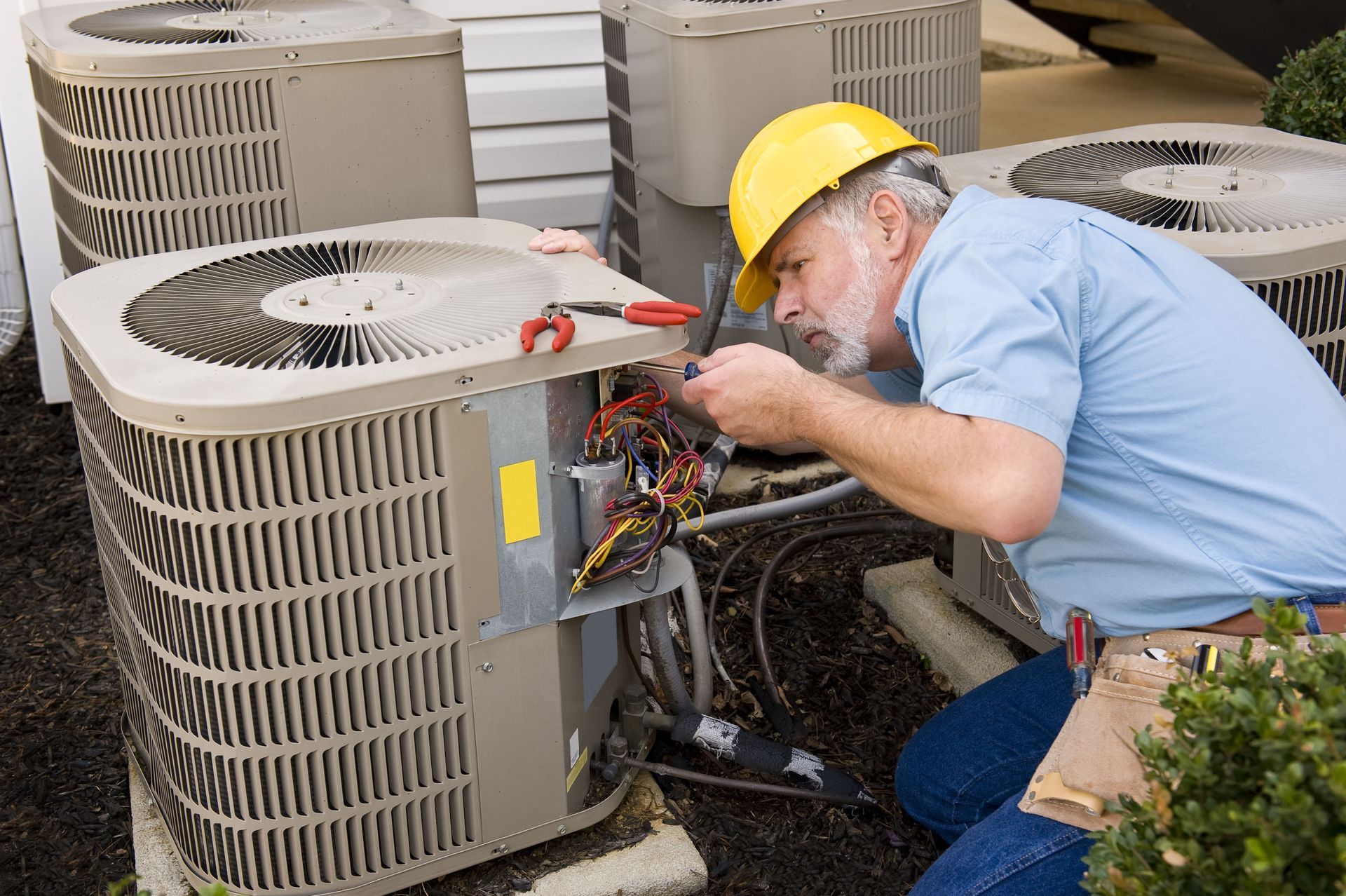
Ongoing maintenance is essential for preserving system performance and extending equipment lifespan. Regular inspections help identify issues before they escalate into major repairs. Tasks such as cleaning components and checking refrigerant levels keep the system operating efficiently over time.
A structured maintenance plan also helps stabilize long-term costs. Instead of reacting to breakdowns, homeowners can budget for scheduled service and predictable upkeep. This approach reduces financial uncertainty while improving system reliability.
Consistent care ensures that AC systems continue to operate at optimal levels throughout their lifespan. Over time, this proactive approach minimizes disruptions and supports steady performance during peak usage periods.
Maintaining or upgrading a cooling system involves evaluating performance, efficiency, cost, and long-term reliability. Each step contributes to a clearer understanding of how well the system serves your home and where improvements may be needed. By staying proactive, homeowners can avoid unexpected failures and improve overall comfort while managing energy use more effectively. A thoughtful approach to air conditioning decisions ensures better performance, reduced costs, and improved system longevity. For expert guidance and dependable service, contact Shaffer Heating & Cooling, LLC.